
Denmark road trip with a dog: a dog-friendly itinerary
On our road trip in Denmark with our dog, we stopped at several of the country's most iconic places. From the Ribe Viking Centre to the runestones of Jelling, via the Viking cemetery at Lindholm Høje and the coastal scenery around Hirtshals, as well as the Lille Vildmose nature reserve, we discovered a country rich in history and welcoming to dogs.
Visit the Ribe Viking Centre with your dog
Located beside Ribe, a town founded by the Vikings in the 8th century, the Viking Centre is a great place to learn about life in that era.
In this reconstructed village, you will see longships, a farm, a smithy and a church, and can step inside each Viking building.
Dogs are allowed throughout the site and inside the buildings, except in the restaurant.
Allow plenty of time for your visit, as there is a lot to see and do, including bird-of-prey shows, archery and wood carving (some activities cost extra).
Do not miss the chance to ask the volunteers dressed in period clothing about what they are doing; they will be delighted to tell you about their activities.
Some practise Viking crafts. For example, we watched a wonderful demonstration of bead-making and heard fascinating explanations.


Jelling with a dog: runestones and a UNESCO site
If you are interested in Denmark's history, do not miss the town of Jelling, the country's first capital and now a UNESCO World Heritage Site.
At this historic site, you can learn a great deal about the first king, Gorm the Old,
and his son Harald Bluetooth, who converted the country to Christianity.
With your dog, you can visit the entire site and see the two burial mounds, the white church
and the outline of the palisade that once surrounded the town.
You can also admire the two Jelling runestones, erected in the 10th century.
Protected by glass cases, the two stones can be viewed for free in front of the church.
• The smaller one honours Thyra, King Gorm's wife.
• The larger one celebrates the achievements of Harald Bluetooth.
Finally, although dogs are not allowed, we strongly recommend visiting the
Kongernes Jelling museum.
If you are travelling with others, take turns so you can visit.
Entry is free, the exhibits are interactive, and the shop is a great place to pick up a few souvenirs.


Lindholm Høje with a dog: a Viking cemetery
Continuing our history tour, we stopped to see the old Viking cemetery at Lindholm Høje, which contains 700 graves.
The shape of the stones can indicate the sex of the person buried there: boat or triangle shapes for men, and circles or ovals for women.
The cemetery is open to visitors free of charge. Dogs are allowed on a lead, but remember to close the gate when entering the site, as a flock of sheep lives there.
There is also a museum, a small shop and a restaurant, none of which are accessible to dogs.


Hirtshals with a dog: the Danish coast and ferry to Norway
To reach Norway, we boarded the ferry at Hirtshals with our campervan, bound for Larvik.
You can also travel to Kristiansand, leaving your dog either in your vehicle or in the ferry's kennel.
The crossing takes around 3 hours 30 minutes.
While waiting for the ferry, we took the time to explore the lovely Hirtshals coastline.
It is a great place to stretch your legs by the Skagerrak Sea, along the cliffs.
At the foot of Hirtshals lighthouse, you can also freely explore the bunkers of the Second World War coastal defence battery.
If you have time before the ferry, you can head to Skagen, the northern tip of Denmark, and Grenen, where the Skagerrak and Kattegat seas meet.


Lille Vildmose with a dog: nature reserve
The peat bog known as Lille Vildmose is Denmark's largest nature reserve and protected area.
You can drive into the reserve, taking care to drive slowly.
From the small car parks, several walking trails lead to observation platforms for birdwatching and, if you are lucky, spotting red deer, moose, foxes and more.
Dogs are welcome on the trails if kept on a lead.
Near the reserve is the Lille Vildmose Centre, with a souvenir shop,
a small restaurant and an exhibition where you can learn more about the local wildlife.
Dogs are not allowed inside the centre, so you will need to take turns if you want to see the exhibition.
The staff at reception can also give you a map to help you find the different observation points.


What to pack for Denmark with your dog
To make the most of your holiday in Denmark with your dog, a few accessories can make walks in nature reserves and visits to museums much easier. Here are some of the essentials we always take with us when travelling.
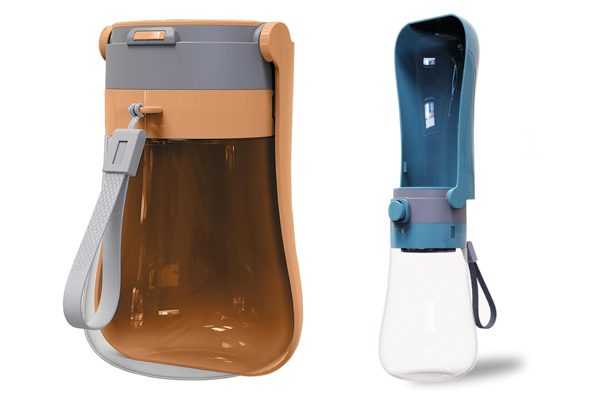
Travel water bottle
Keep your dog hydrated on walks. Practical, leak-proof and always close at hand.
Discover the product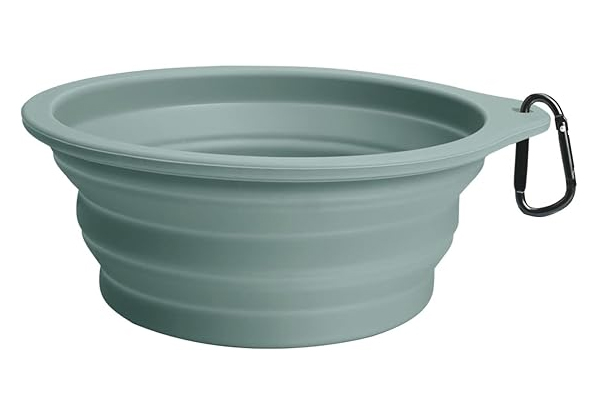
Foldable bowl
Folds in seconds and fits in a bag. Perfect for meal breaks while travelling.
Discover the product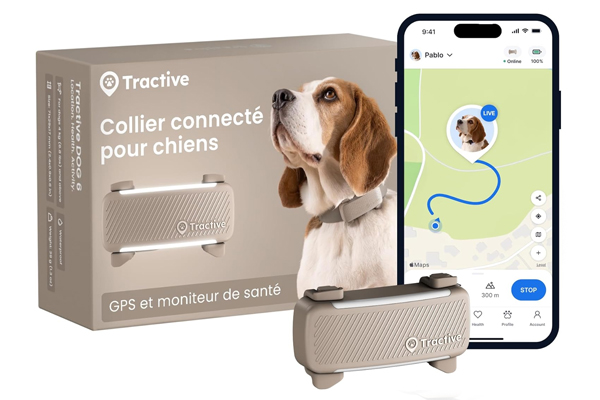
GPS tracker
Track your dog in real time and enjoy peace of mind on your walks (subscription required).
Discover the product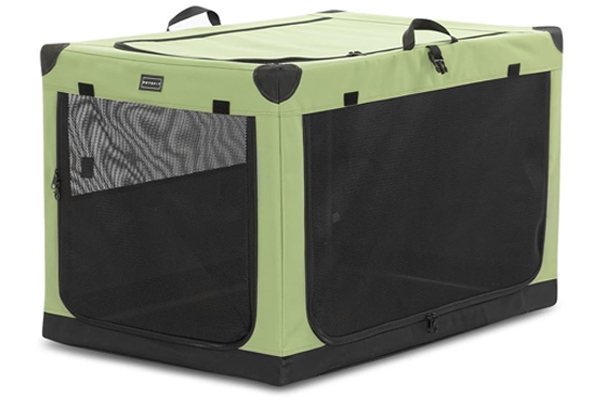
Travel crate
Travel safely by car with a comfortable, secure space for your dog.
Discover the product Follow us!


